
Marketing & Content — GEO
Search behaviour is changing. Customers may compare providers in Google, read AI Overviews, ask ChatGPT for explanations and then return to a website before making contact. As a Geo Specialist, Bumpp improves how clearly your business, services and expertise can be discovered, accessed, understood and connected. Generative engine optimization is not a replacement for SEO; it builds on strong content, technical structure, entity clarity and measurable search visibility.
Being cited by ChatGPT, Gemini and AI Overviews depends on different signals to ranking, and they respond faster. We analyse what is actually being asked in your niche, write answer-shaped content around those questions, mark it up with schema, and make sure AI crawlers can reach it efficiently.
Movement is often visible within four weeks. It is also more volatile than search rankings — a model update can change what gets quoted, which is why we track mentions monthly rather than claiming a position.
GEO starts with entity clarity. A generative system needs consistent information about who your company is, what it does, who it helps, where it operates and which services belong together. If a website describes the same service in different ways, or hides commercial detail behind broad claims, systems receive weaker context. Bumpp analyses your service pages, business information, audience questions and topic relationships to clarify what your company should be known for.
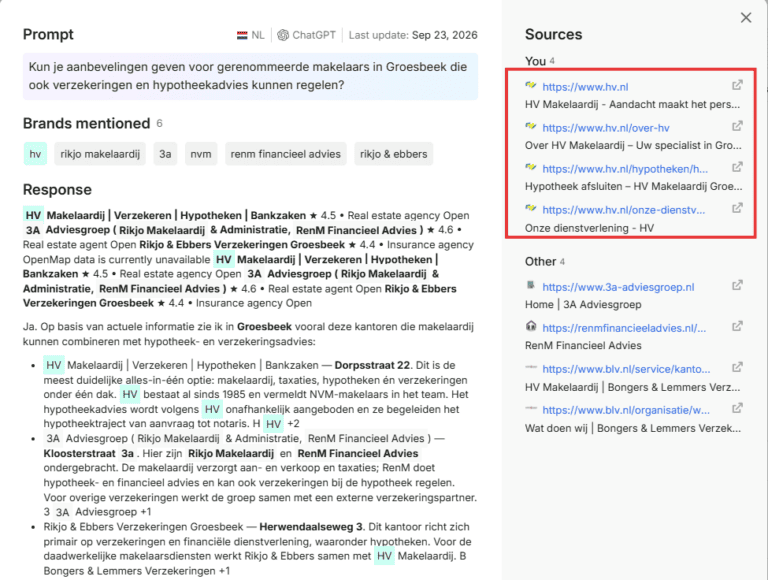
Many websites do not have a visibility problem just because they need more content. The issue may be unclear positioning, weak topic coverage, duplicated service information, missing context around expertise, or pages that are difficult to crawl. Poor structured information can also make important relationships harder to interpret. Bumpp diagnoses these barriers before recommending production work, because creating extra pages has limited value when the existing architecture sends confused signals.
GEO research looks at how real buyers ask questions, not only at traditional search terms. Bumpp investigates commercial keywords, customer objections, comparison searches, service questions, AI-style conversational queries and the decisions people need to make before contacting a provider. From there, we map topic clusters, FAQs, supporting pages and service architecture. The goal is answerability: important questions should receive clear, useful answers in the right place on the website.
Generative search optimisation depends on whether information can be accessed and interpreted. Bumpp reviews crawlability, indexability, internal linking, URL structure, templates, canonical signals, mobile rendering and structured data. Schema such as Organization, Service, FAQPage, Article or BreadcrumbList may help clarify machine-readable context when implemented correctly. llms.txt can support organised guidance for systems that choose to use it, but it is not a substitute for useful content, sound architecture and technical SEO.
SEO and GEO work best together. Technical accessibility, content quality, authority signals, internal links and search intent remain important foundations. GEO adds a stronger focus on entity relationships, answer clarity and how information may be retrieved or summarised in generative environments. Bumpp helps prioritise fixes, content gaps, authority opportunities and measurement. Useful signals can include organic visibility, AI referral traffic where available, branded search, conversions and observed AI mentions or citations.
ANALYSE
Rewrite
Answer blocks, schema and entity data on your highest-intent pages.
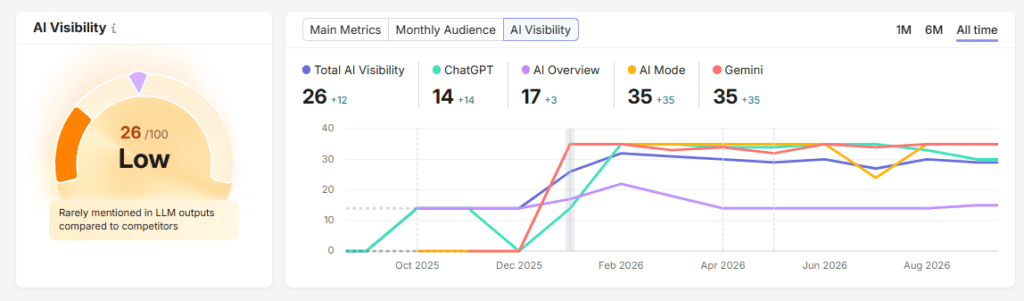
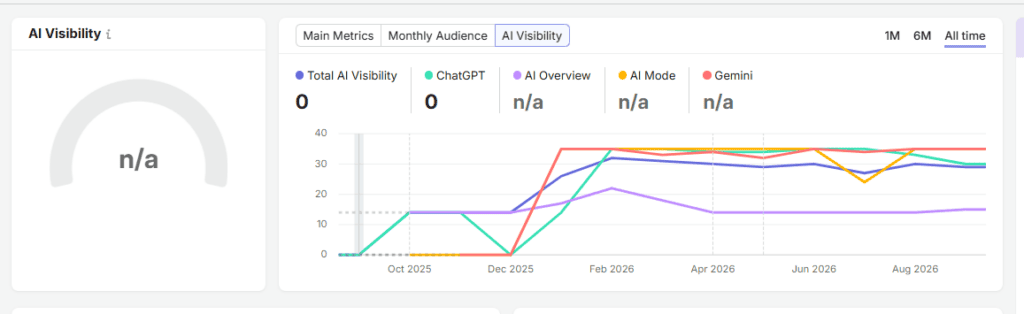
Monthly citation report: which answers mention you, which still mention a competitor.
GEO is the process of improving how clearly a business and its information can be discovered, accessed, understood, classified, connected and summarised by search and generative systems. It focuses on entity clarity, answerable content, technical accessibility, structured information and topic relationships, so platforms have better information to interpret your services accurately.
SEO improves organic search visibility through technical optimisation, content quality, authority, indexation and search intent. GEO overlaps with SEO but places extra emphasis on how generative systems understand entities, services, questions and relationships between pages. A strong SEO foundation usually makes GEO work more effective because important information is easier to access and trust.
No. Bumpp cannot control what ChatGPT, Google AI Overviews or other systems choose to retrieve, summarise or reference. GEO can improve the clarity, accessibility and usefulness of your website information, but inclusion is decided independently by those platforms. The realistic objective is to remove barriers, strengthen context and measure observable signals where possible.
A GEO project may require improvements to crawlability, indexability, internal linking, heading structure, page templates, canonical URLs, structured data, speed or mobile usability. Some fixes are content-based, while others require development work. Bumpp first identifies which technical issues actually affect interpretation and discovery, so implementation can be prioritised sensibly.
Bumpp studies the questions customers ask before choosing a provider, including problem-based searches, comparison questions, service queries, commercial intent and conversational AI-style prompts. We then map which answers belong on core service pages, FAQs, supporting pages or related articles. This prevents random content creation and builds a connected information structure.
GEO should not be measured only with rankings. Depending on available data, Bumpp may monitor organic visibility, landing page traffic, indexed content, conversions, branded search behaviour, AI referral traffic, observed brand mentions and visible citations in AI environments. Not every AI interaction can be tracked accurately, so measurement should combine several practical signals.
Read next
Guide
GEO explained in plain terms.
Read →Guide
What stays the same, and what's new.
Read →Guide
What makes AI tools mention a source.
Read →Guide
Which bots to let in, and which to block.
Read →Guide
The structure AI systems pick up on.
Read →Send us your site — we’ll tell you what we’d fix first.